



Smith machine vs. power rack: which one belongs on your floor?
Both let members squat and press heavy. Here is how they differ in safety, footprint and who they serve, so you can pick the right one for your gym or garage.
 The IRONKING teamGym planners & installers
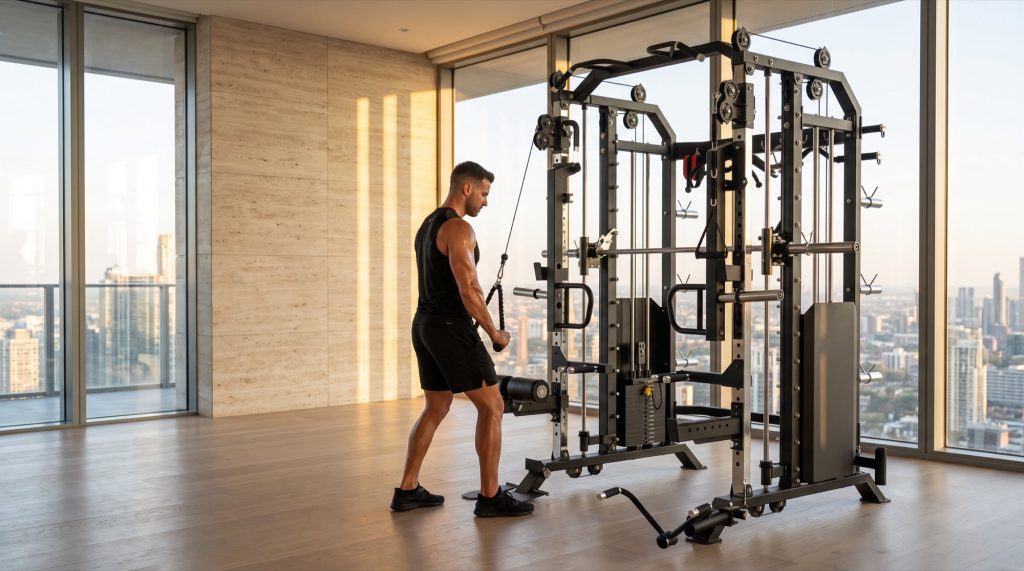
Both machines let you squat, bench and press with heavy weight. The difference is how the bar moves and who can use it safely without a spotter, and that decides which one earns its square footage.
How a Smith machine works
The bar of a Smith machine rides on two vertical guide rods. It can only travel up and down, and you can lock it on hooks at almost any height with a twist of the wrists. That fixed path is the whole point: members can train to failure alone, because racking the bar is always one turn away.
Who a Smith machine is for
- Commercial gyms with many beginners or members who train alone.
- Hotel, apartment and corporate gyms with no staff on the floor.
- Lifters who want to isolate a muscle — for example a close-stance squat for quads — without balancing the bar.
Where a combo machine wins
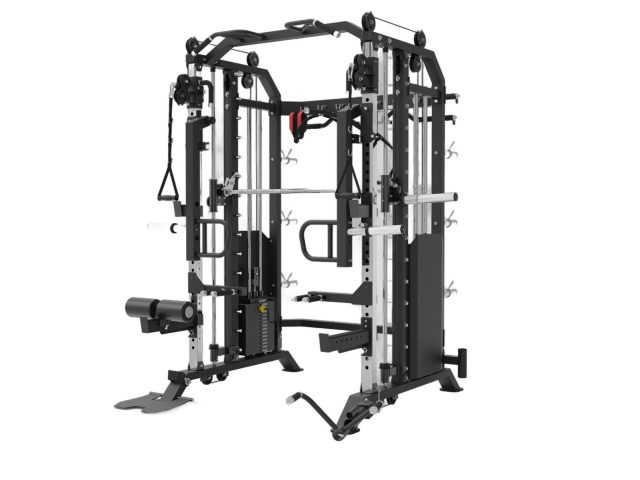
Many modern units combine a Smith bar with cable stacks, a pull-up bar and attachments. The Royal Smith Machine is a good example: one footprint covers squats, presses, rows, pulldowns and cable work, which is why it is often the first piece we place in a home gym or a small studio. If you only need the guided bar, the classic Smith Machine takes less space and budget.
When a power rack makes more sense
A free bar in a rack moves in any path your body chooses, so it trains balance and stabilizers. Experienced lifters and strength-focused gyms usually want at least one rack for that reason. The trade-off: safety depends on setting the spotter arms correctly every time.
Quick checklist before you buy
- Ceiling height: measure from floor to the lowest beam or light, and compare with the machine height plus room for pull-ups.
- Footprint and clearance: leave a clear walkway around the frame so members can load plates on both sides.
- Delivery: machines ship by freight on a pallet — check doorways, stairs and whether you need liftgate or white-glove service.
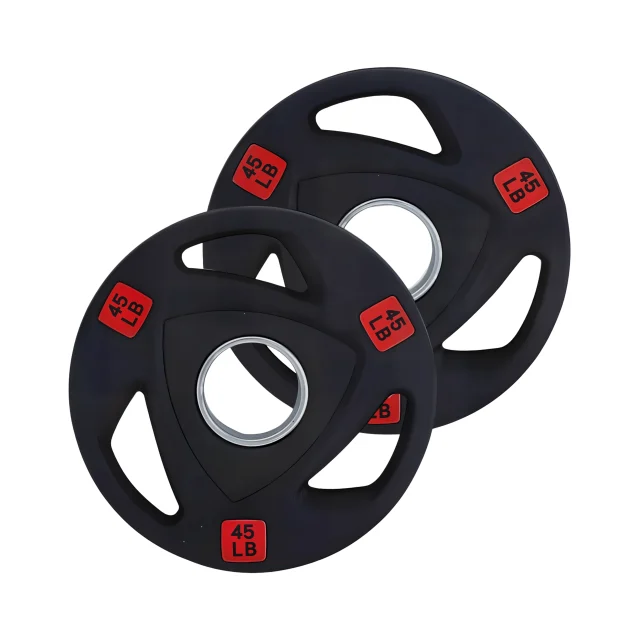
- Plates: budget for bumper or rubber plates; a loaded Smith machine uses more weight than people expect.
Not sure which one fits your space? Send us your floor dimensions through Gym Design and we will sketch both options for you.
Shop this guide
- Options Choose options
-


Keep reading
Buying dumbbells and weight plates: a no-nonsense guide
Rubber hex or urethane, which weights to buy first and how many pounds a gym really needs — before you spend on racks and…
How to plan a commercial gym layout in six steps
Zones, traffic flow, clearances and the order to buy equipment in: a practical guide for gym owners opening or expanding a facility.